Planning and Designing Commercial Development Projects
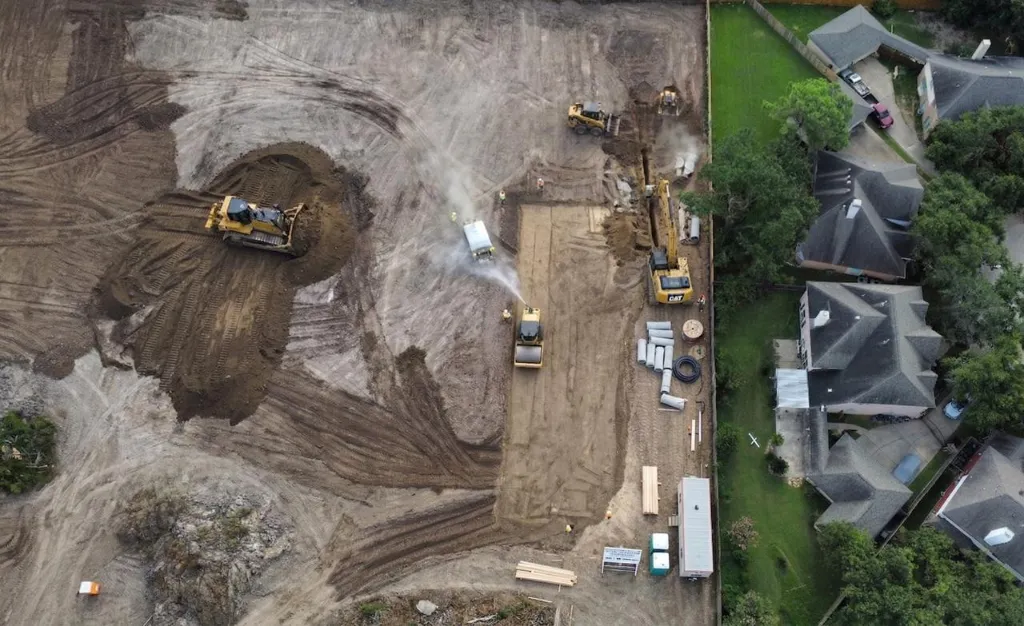
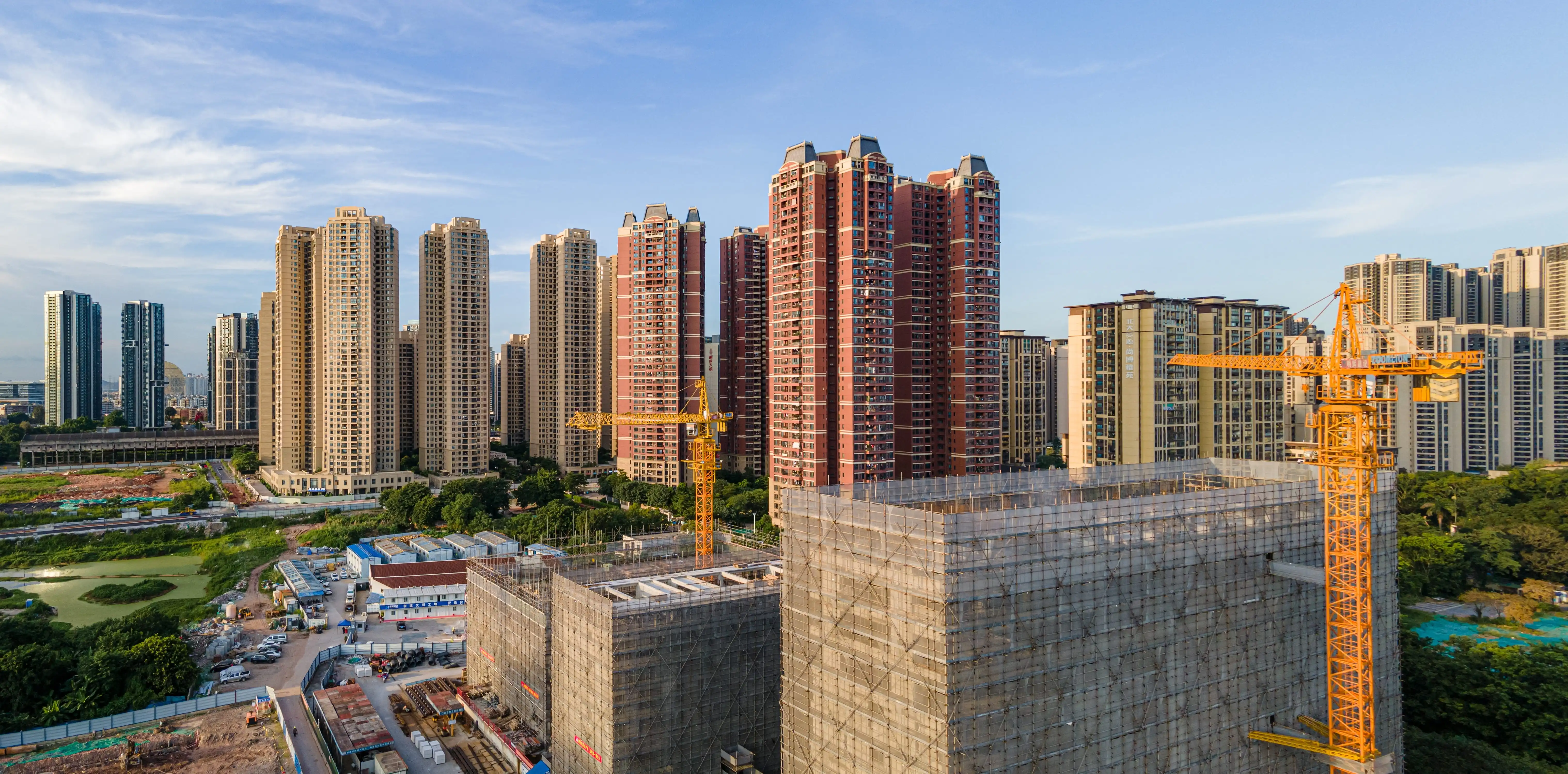
Every successful commercial development starts with a clear plan and thoughtful design. During this stage, developers, architects, and engineers work together to create a project that meets business goals while fitting the needs of the surrounding community. Architects design the building layout, appearance, and functionality, making sure the space is practical and attractive. Many commercial development projects also include sustainable features and designs that complement the local area. Developers often work with local officials and community members early in the process to gather feedback and address concerns. This helps identify potential challenges, meet zoning requirements, and keep the project moving forward. Engineers evaluate the site by reviewing land conditions, utilities, drainage, and environmental factors. These assessments help determine whether the site is suitable for development and reduce the risk of unexpected issues during construction. Choosing the right location is another important step. Developers consider factors such as market demand, visibility, accessibility, and future growth to select a site that supports long-term success.
5 Essential Steps in the Commercial Development Process
The commercial development process includes several key stages that work together to bring a project from concept to completion. Each step plays an important role in ensuring the project is successful, especially in a growing market like Magnolia, Texas.
| Step | Purpose | What It Involves |
|---|---|---|
| Site Analysis | Evaluate land suitability | Review topography, soil conditions, accessibility, and overall development potential |
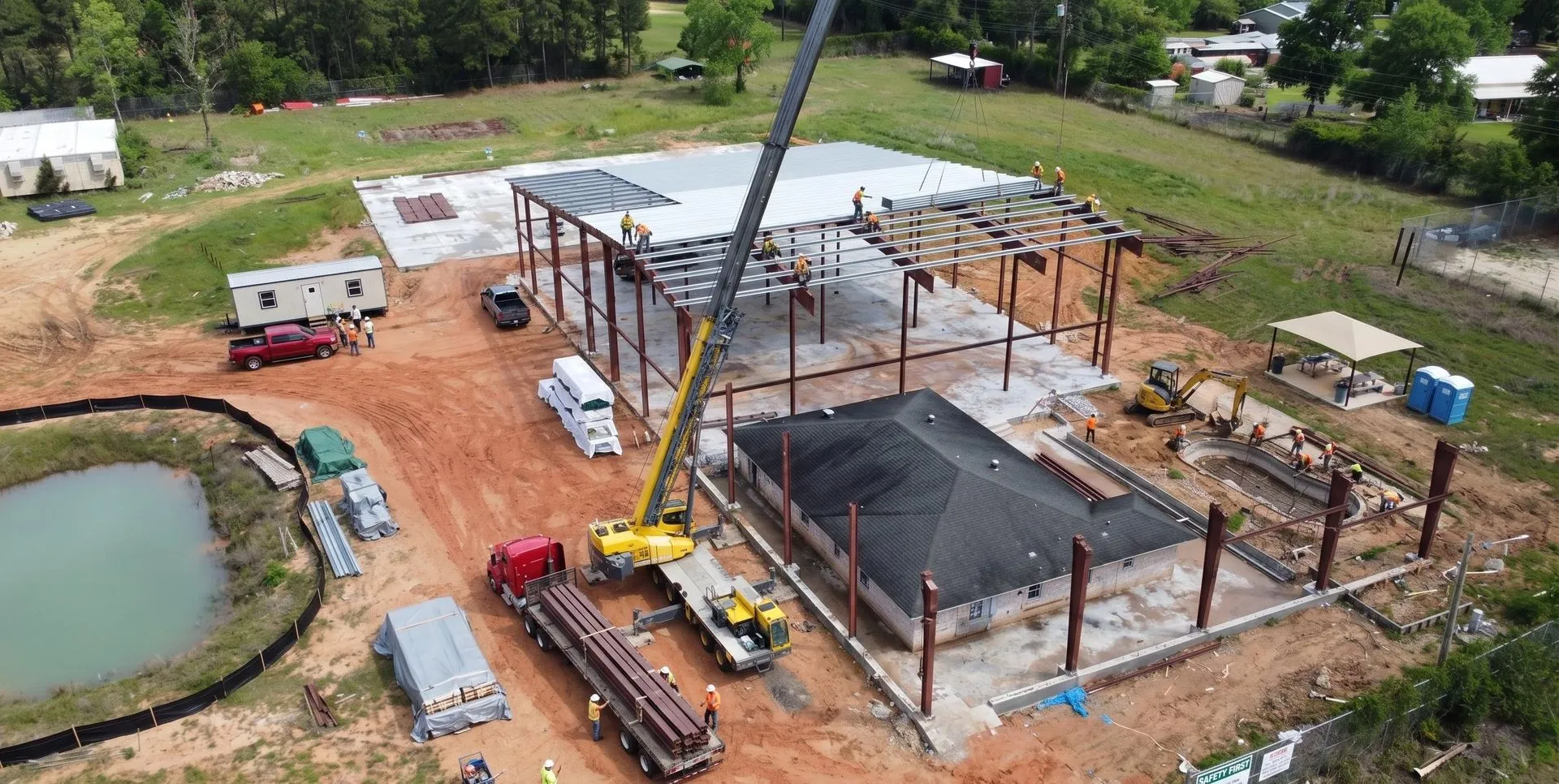
| Construction Management | Oversee building progress | Coordinate construction activities, manage timelines, and ensure quality and safety standards |
| Consulting | Provide technical expertise | Support environmental studies, design planning, and alignment with community expectations |
| Marketing | Attract tenants and buyers | Promote the development, highlight key features, and generate interest in the project |
| Post-Construction Evaluation | Review project success | Assess performance, gather feedback, and identify improvements for future developments |
Developing a Comprehensive Commercial Development Plan
A detailed commercial development plan keeps every phase of the project organized and on track. By defining timelines, budgets, responsibilities, and project goals early, developers can reduce delays, manage costs, and improve the chances of a successful outcome.
- Create a project timeline Establish clear milestones and deadlines to keep the project moving efficiently.
- Plan the budget: Allocate resources carefully to balance construction costs, materials, and overall project expenses.
- Define team roles: Keep developers, contractors, stakeholders, and consultants aligned through clear communication and shared goals.
- Conduct feasibility studies: Evaluate market demand, site conditions, potential risks, and expected returns before moving forward.
- Monitor progress: Regularly review the project plan and make adjustments as needed to stay on schedule and within budget.
Navigating Zoning Regulations and Permits
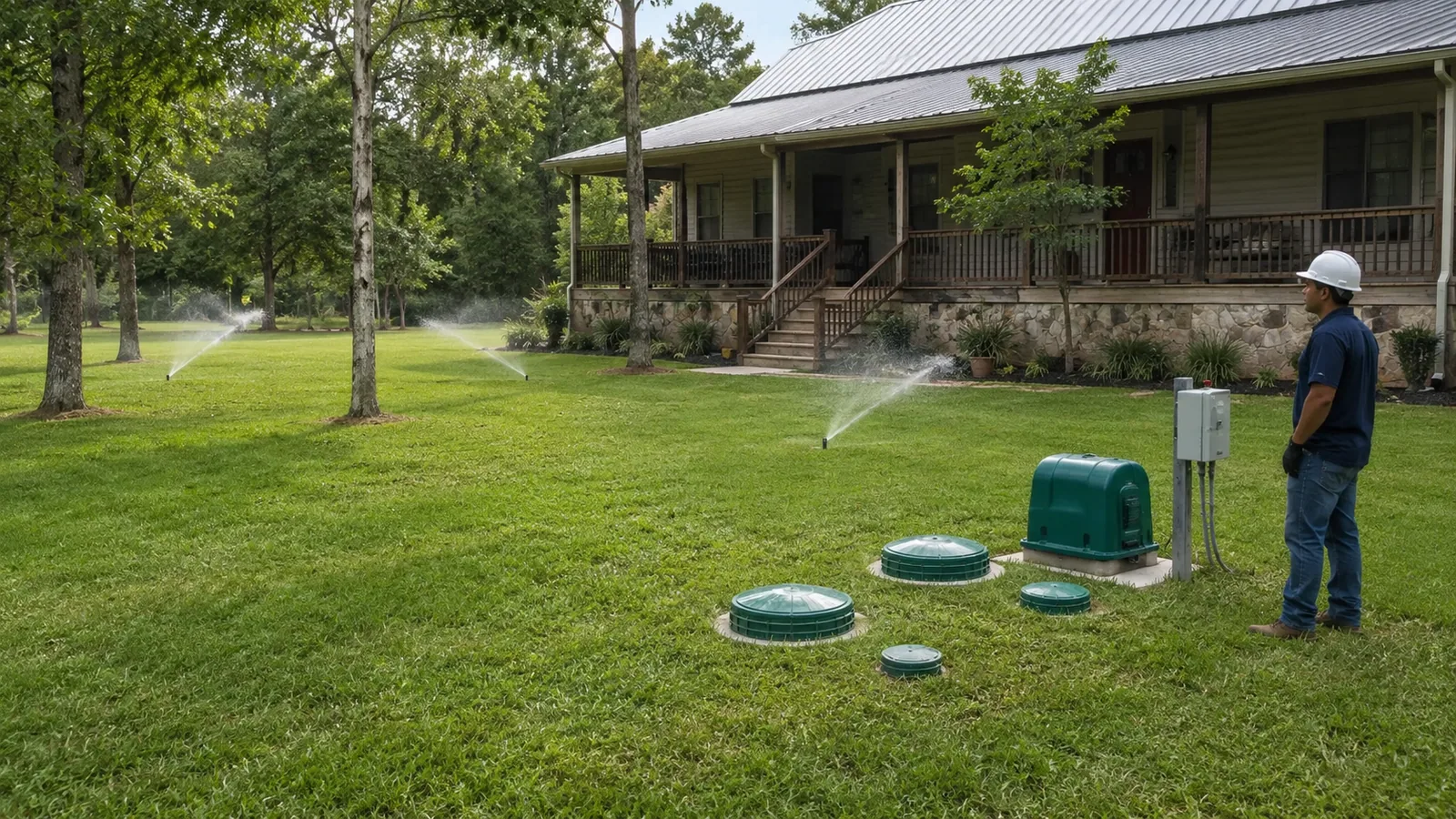
Before construction begins, developers must make sure their project meets local zoning requirements and has the necessary permits. Understanding these regulations early helps prevent delays, unexpected costs, and compliance issues throughout the commercial development process. Working with legal professionals, city planners, and other experts helps ensure the project follows local building codes and land use requirements. Developers should also submit permit applications as early as possible, since approval times can vary and affect the construction schedule. Environmental reviews may also be required to evaluate how the project could impact the surrounding area. By addressing zoning, permitting, and environmental requirements early, developers can keep the project moving forward while supporting responsible growth in the community.
Financial Planning and Securing Investments
A strong financial plan helps keep a commercial development project on budget and provides the funding needed to move forward. Careful budgeting and investment planning reduce financial risks and help ensure long-term project success.
Developers create detailed budgets to estimate construction costs and manage expenses throughout the project. They also evaluate financing options and prepare proposals for lenders and investors to secure the necessary funding.
Investors and lenders review factors such as project costs, expected returns, market demand, and location before approving financing. A well-planned budget and a strong investment strategy help developers build confidence with financial partners and keep the project on track.
Stages of the Commercial Development Process
The commercial development process involves multiple coordinated stages, from early planning and site analysis to permitting, construction, and post-construction evaluation. Each phase plays an important role in ensuring a project is completed efficiently, safely, and within budget. Understanding these steps helps developers and stakeholders make more informed decisions and reduce potential risks.As an engineering firm serving Magnolia, we support clients through the technical and planning aspects of commercial development projects. Through their work in engineering design, site evaluation, and infrastructure planning, the ENGCO team helps ensure projects are built on a strong and reliable foundation.
Need expert guidance for your next commercial development project in Magnolia or the Greater Houston area? We provide the engineering support needed to move projects from concept to construction with confidence. Contact us today to get started.